
Introduction
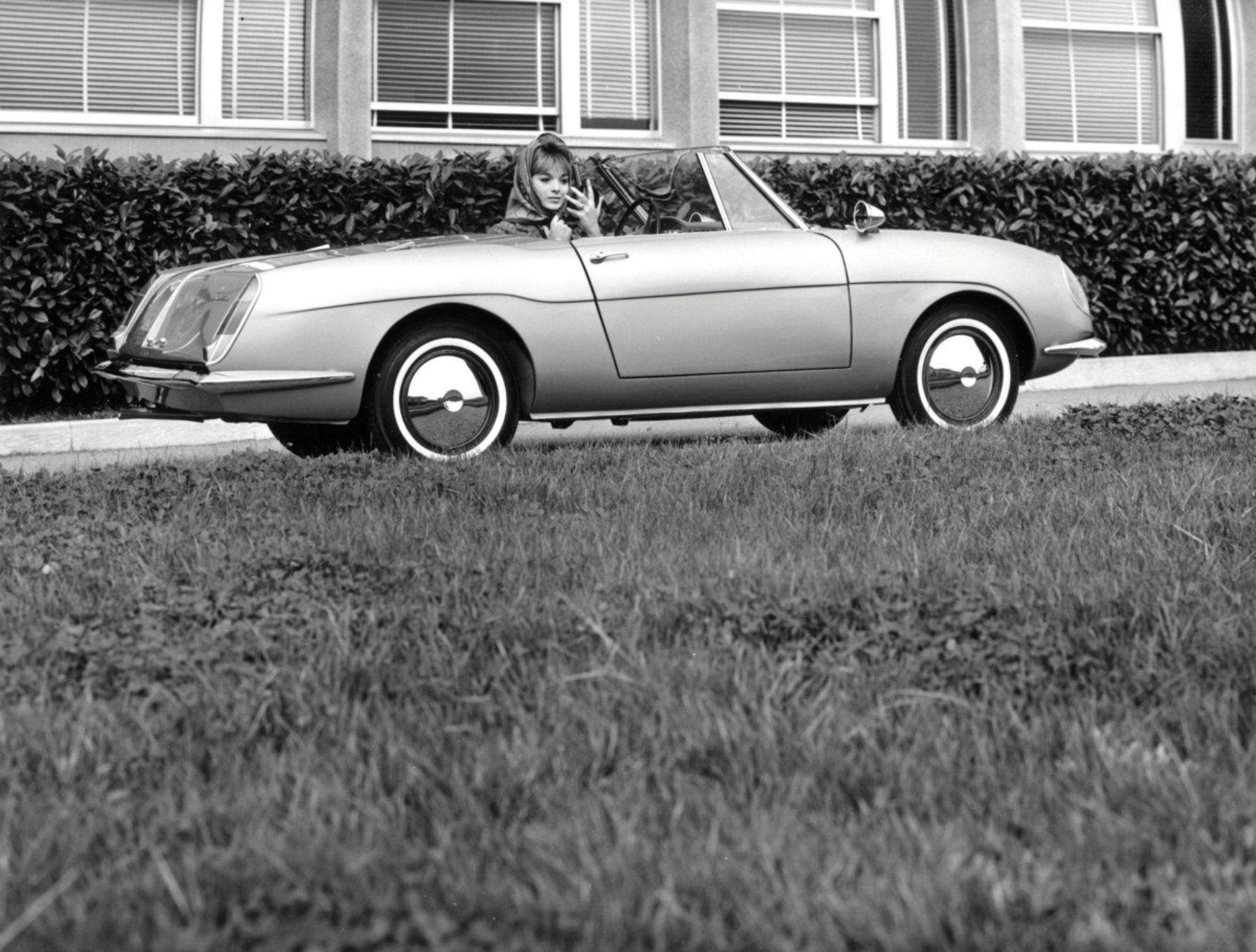
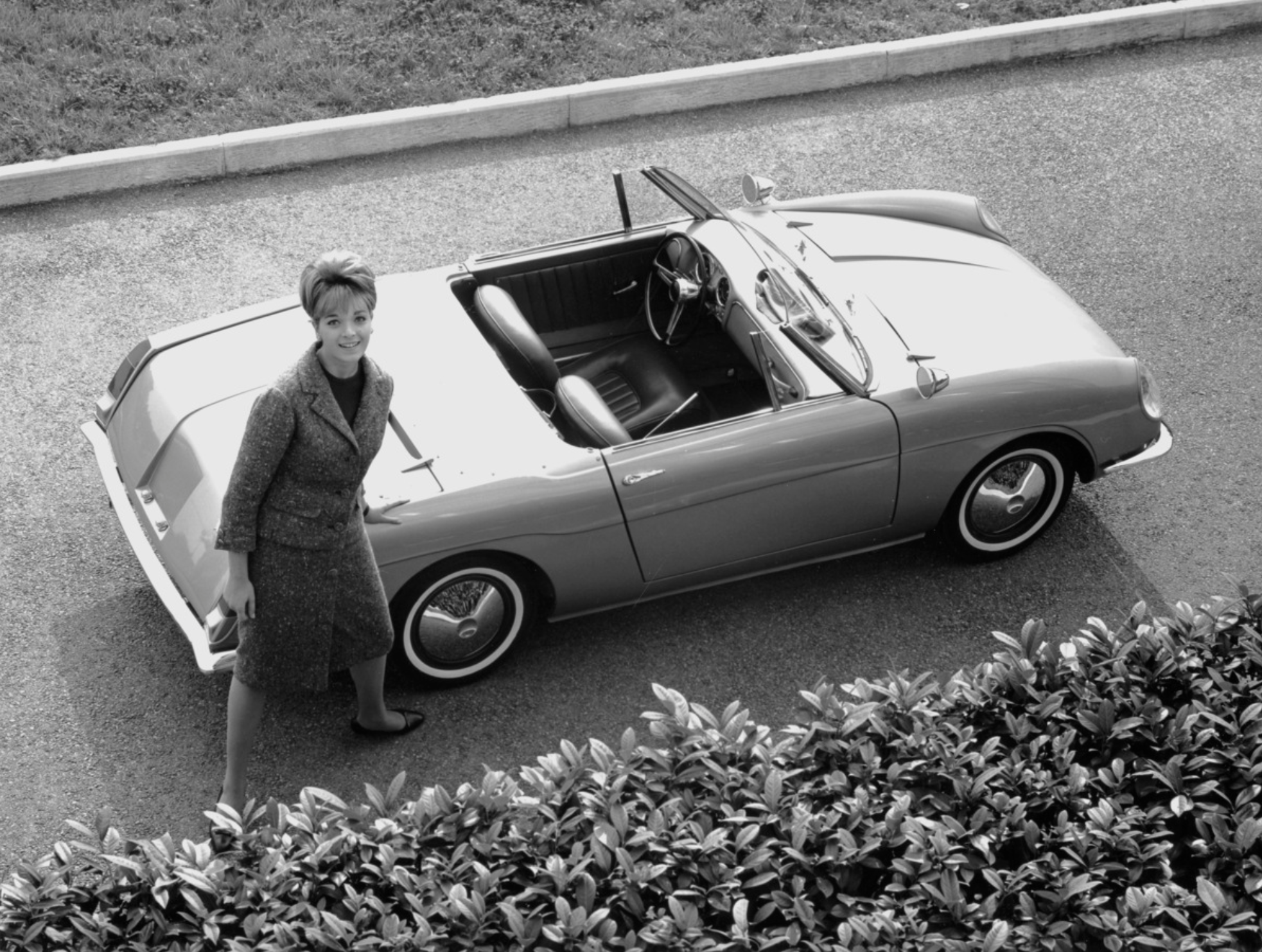
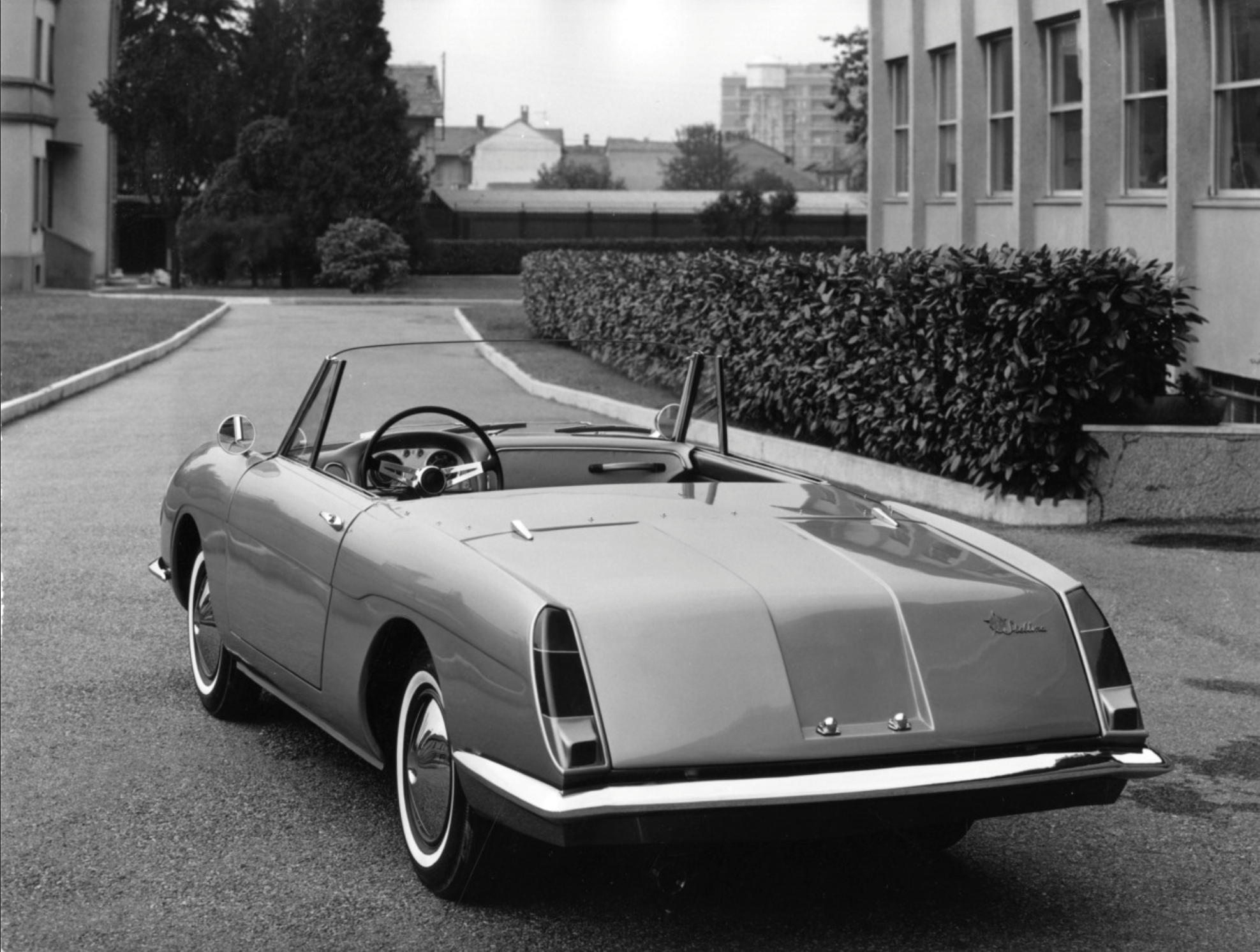
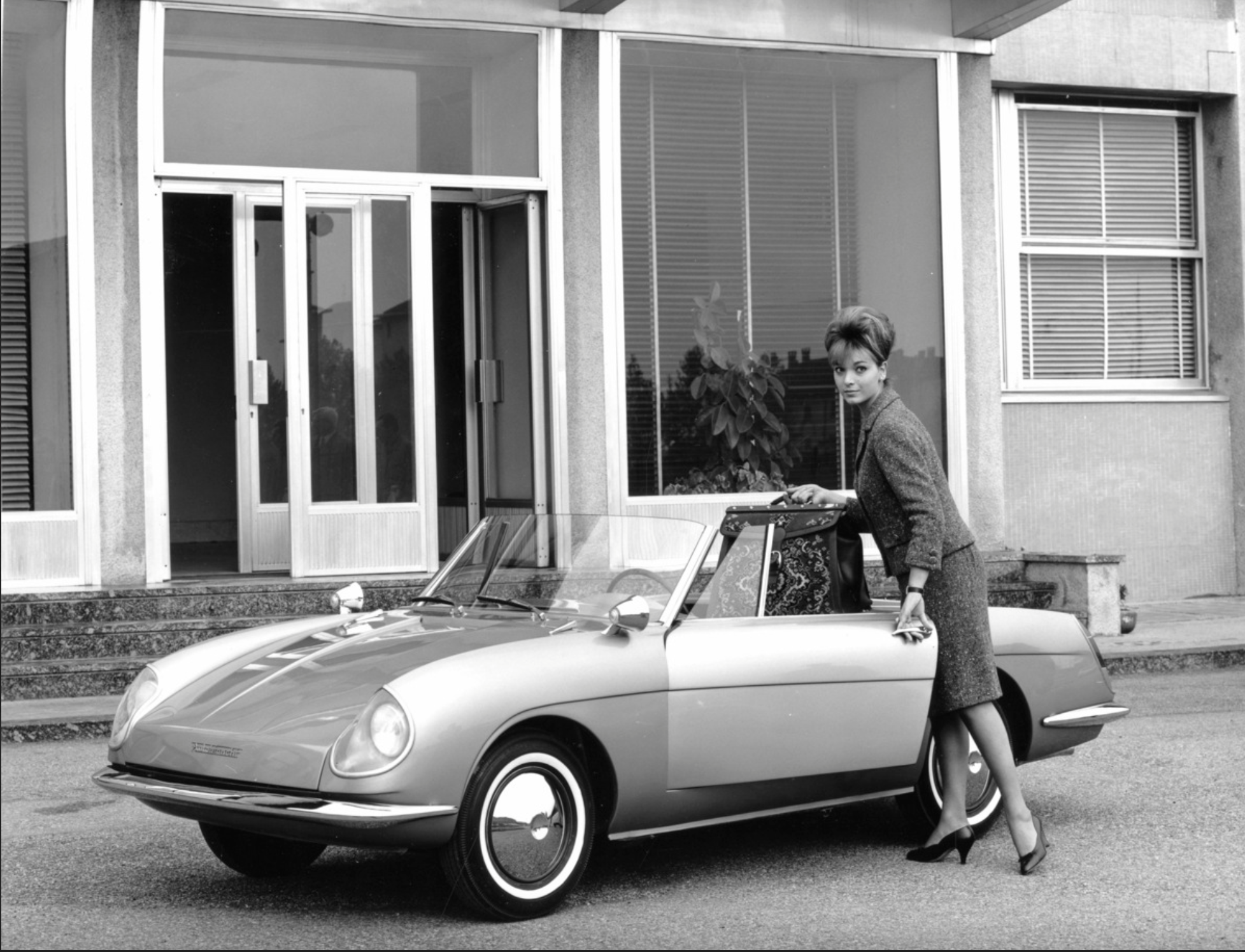
The Autobianchi Stellina is remembered less for what it sold than for what it dared. Built for barely two years and in only a few hundred examples, it became the first Italian series-production car to be clothed entirely in fibreglass — a quiet technical revolution wrapped in an unassuming little roadster. Today it survives as one of the rarest and most quietly significant of the Italian etceterini, the affectionate name collectors give to the small, jewel-like cars that flourished in post-war Italy.
Origins
A company built to experiment
Autobianchi was founded in 1955 as a joint venture between the historic bicycle and motorcycle maker Bianchi, the tyre giant Pirelli, and Fiat, with Fiat holding the controlling interest. From its factory at Desio, near Milan, the marque served a very particular purpose: it was Fiat's testing ground, a place to try novel engineering and styling ideas on a small scale without risking the reputation of the parent brand.
Its first car, the Bianchina, dressed Fiat 500 mechanicals in a more refined, upmarket body. The Stellina would push the experiment further — this time the novelty was not the shape, but the very material the car was made of.
Engineering
The first Italian fibreglass car
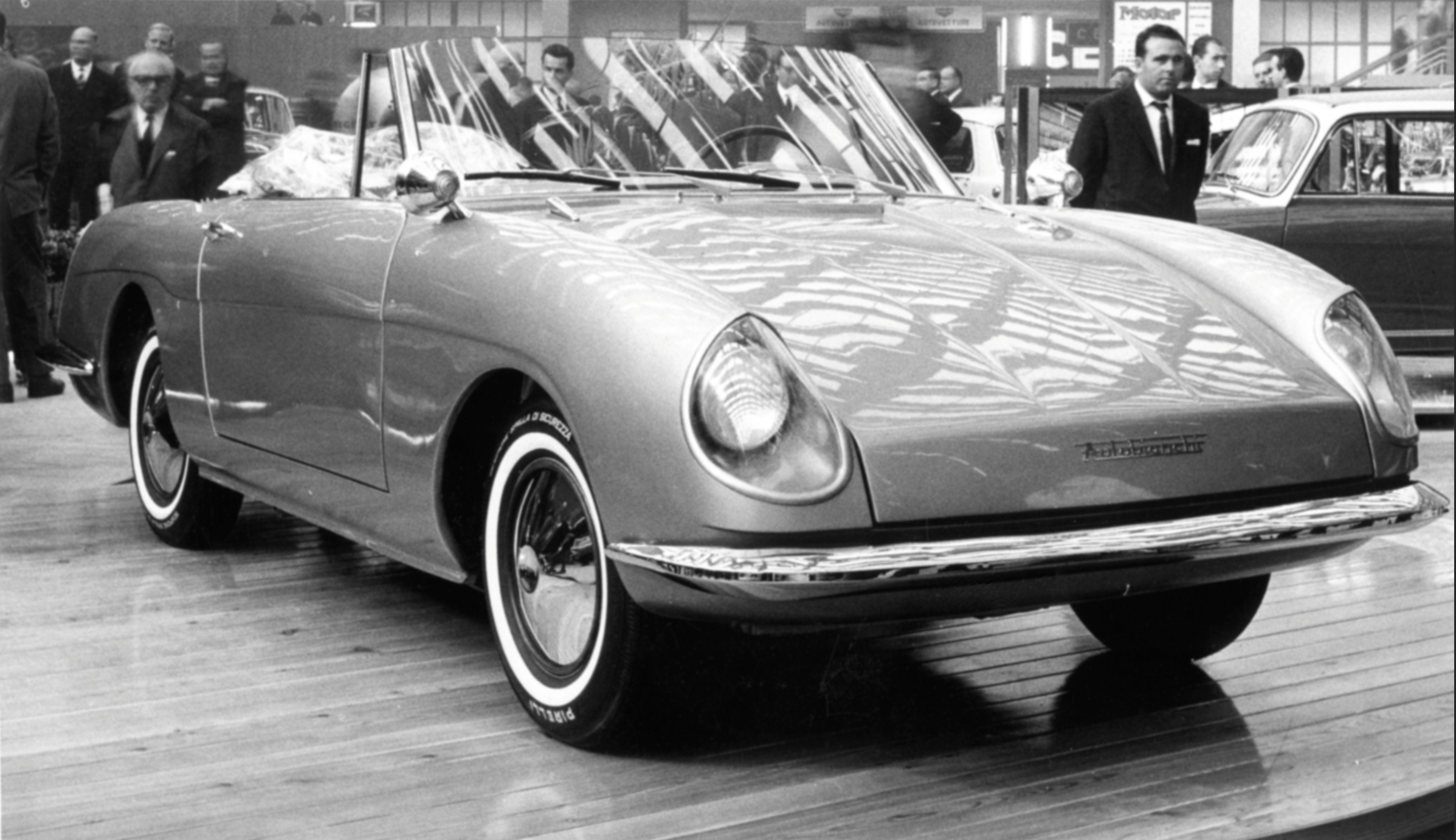
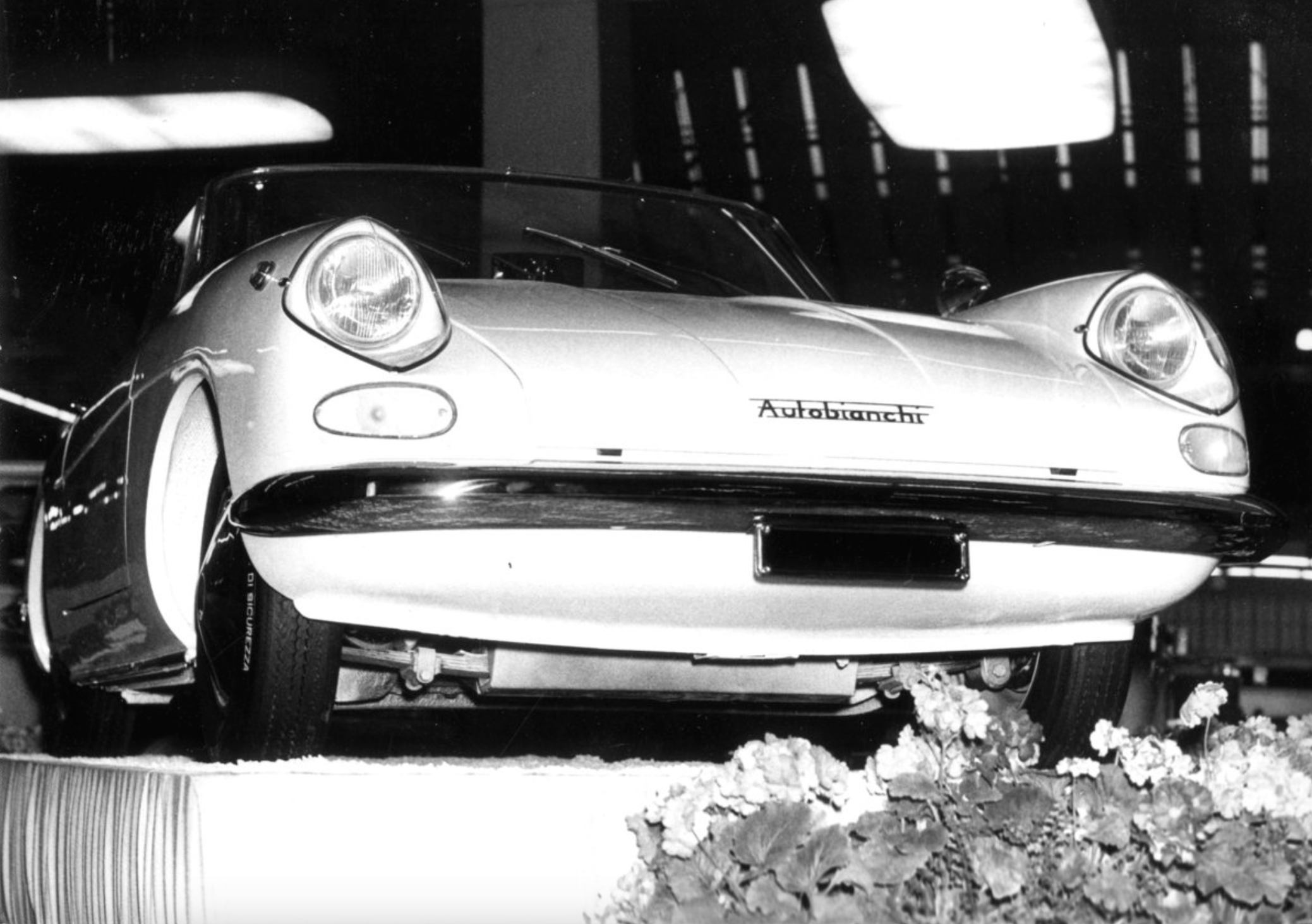
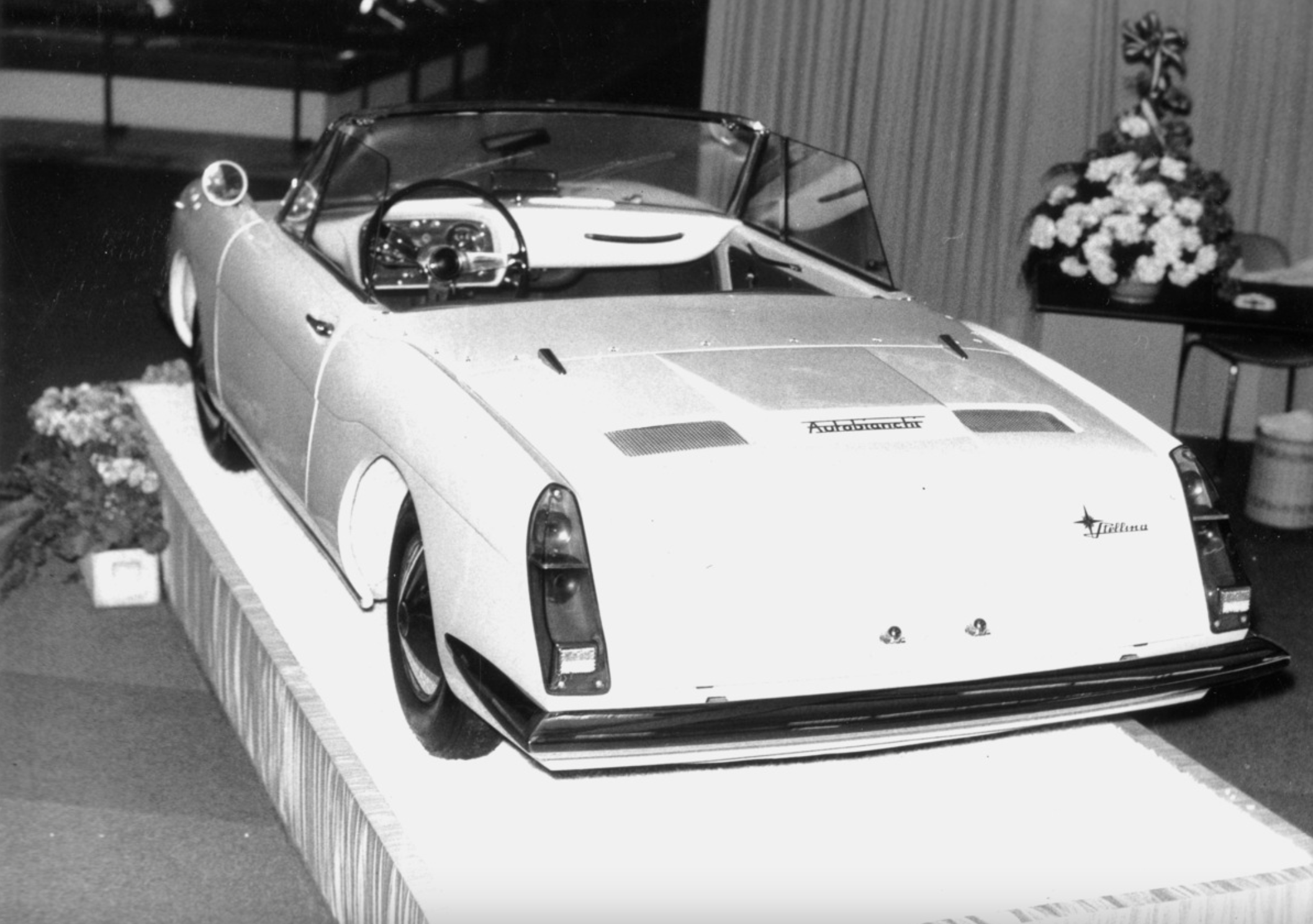
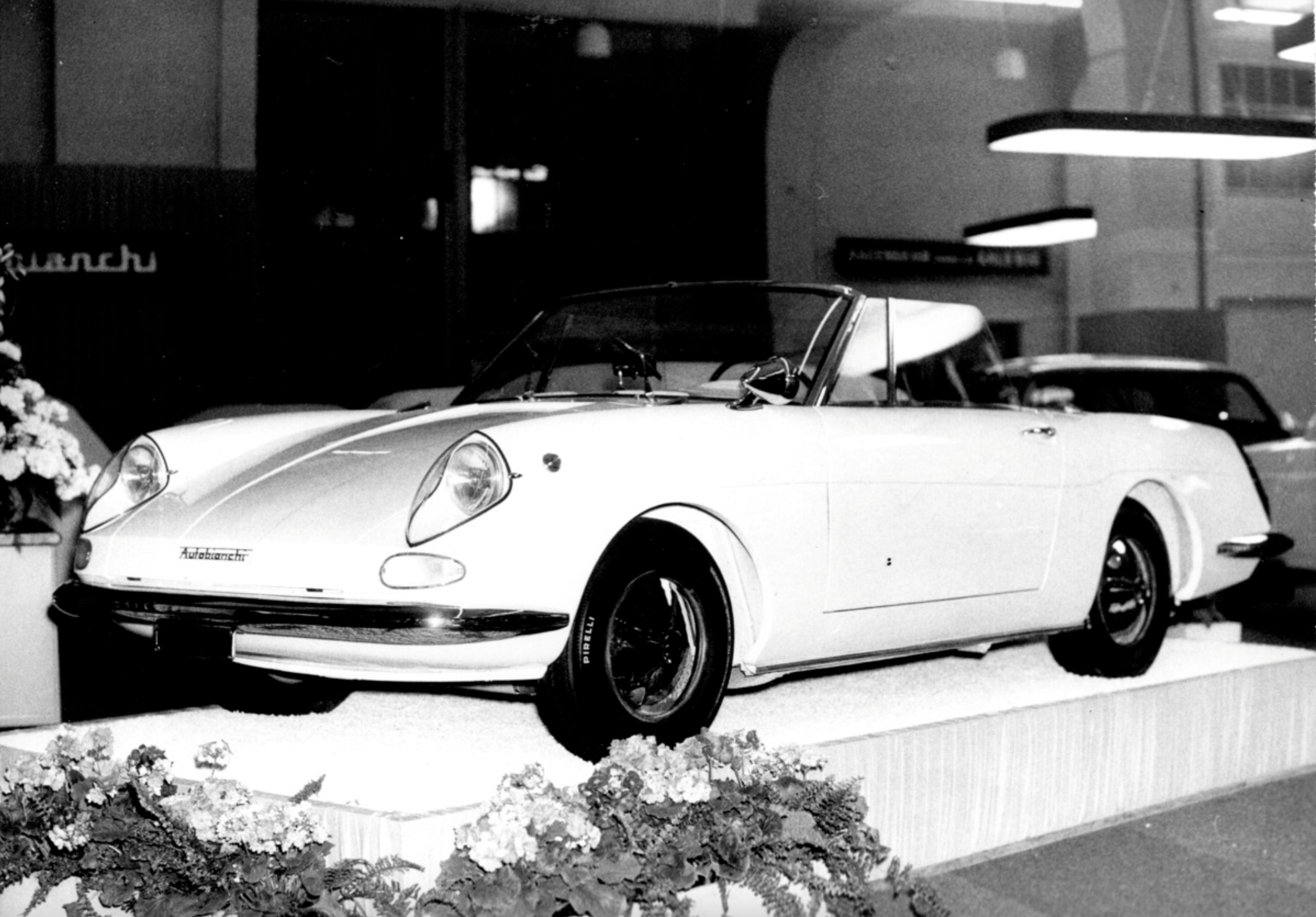
The Stellina was shown as a prototype at the Turin Motor Show in November 1963 and reached the market the following year. Beneath its skin lay the running gear of the Autobianchi Bianchina — a rear-mounted twin-cylinder engine, four-wheel independent suspension — but the bodywork was something entirely new for Italy: panels of glass-reinforced polyester laid over a box-section steel frame.
Fibreglass promised lightness and, crucially, freedom from rust. The body was designed by Carrozzeria Boneschi, a small coachbuilder in Milan, with styling attributed to Luigi Rapi, Autobianchi's chief of bodywork — though some accounts credit Tom Tjaarda, then working in Turin. The early cars revealed a structural problem: the fibreglass shell could not by itself provide sufficient rigidity, and the steel platform had to be reinforced, adding weight and cost.
Production
Two short series, one quiet failure
Production fell into two distinct series. The first cars used the 767 cc twin-cylinder engine; 343 of these were built. A second series, often called the Stellina 800, followed in 1965 with the engine enlarged to 792 cc, of which 159 were made. The total — just 502 cars — tells the whole commercial story.
The price was the obstacle. At close to a million lire, the little spider cost far more than buyers expected of a small car, and Italian customers remained wary of the unfamiliar plastic body. Autobianchi pitched it as an elegant second car aimed largely at well-to-do women, leaning on advertising that played endlessly on the theme "Piccola ma…" — small, but elegant; small, but safe. The charm did not translate into sales. Production ended in 1965, with the last examples sold into 1966.
Survival
Why so few remain
The very feature meant to defeat corrosion ultimately worked against the car's survival. While the fibreglass panels did not rust, the steel frame beneath them did — and quickly. Combined with tiny production numbers and decades of neglect for a car few thought worth preserving, this means only a small fraction of the 502 are believed to survive today, scattered between Italy and the roughly 150 examples originally exported.
That scarcity is precisely why this registry exists: to locate, document and connect every surviving Stellina, one chassis number at a time. If you own one, have photographs, or simply know of a car, your contribution helps complete the picture.
Sources & references
- Quattroruote, 1964 — first road test
- Rétroviseur, December 1997 — retrospective feature
- Retromania / Gazoline — technical analysis
- Bonhams auction catalogues, 2012–2015
- Autobianchi factory records (via Fiat Historic archives)